Comprehensive Guide to Dental Onlays: The Ultimate Solution for Restorative Dental Care
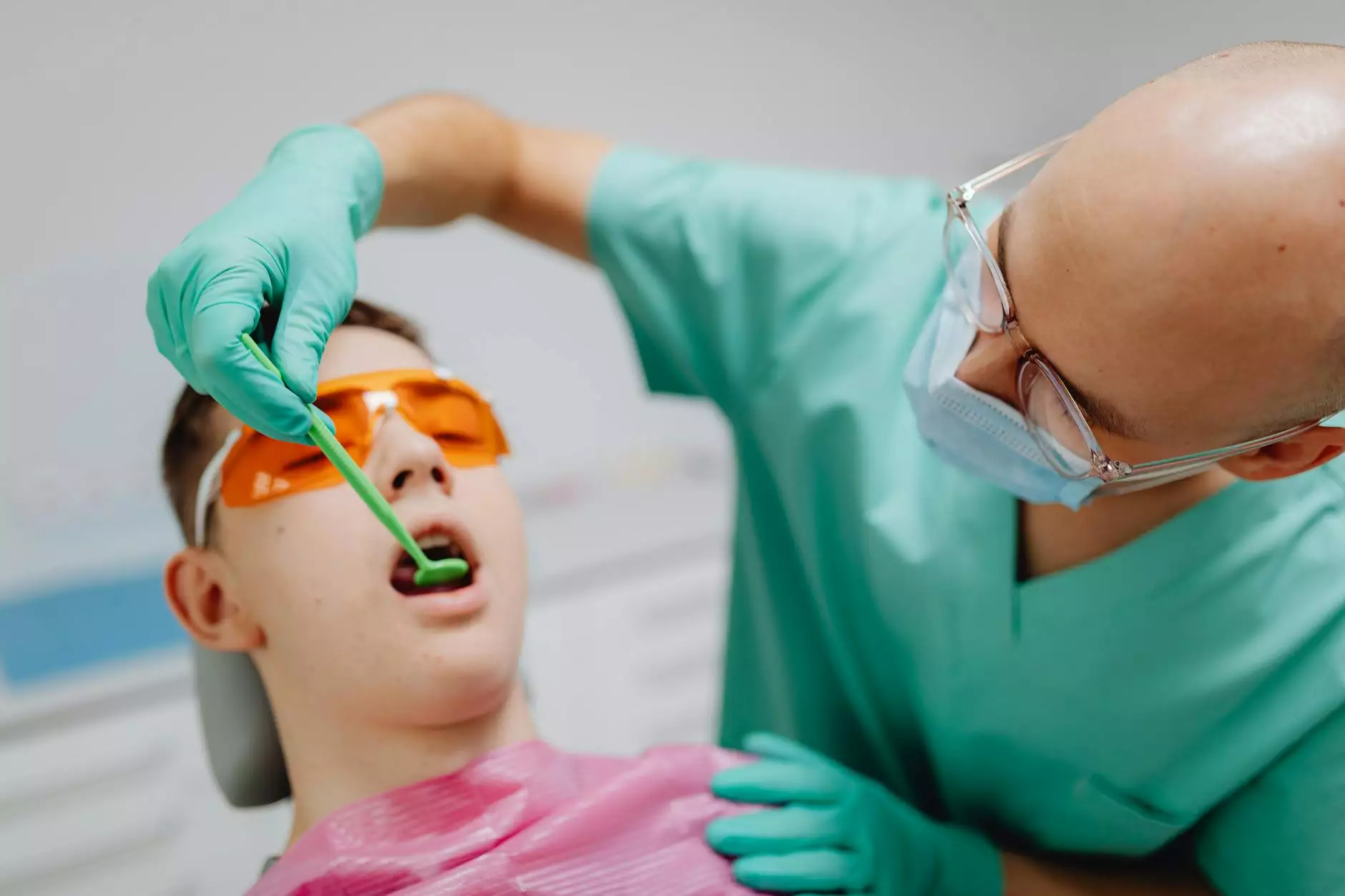
In the evolving world of modern dentistry, patients seek solutions that not only restore the function and aesthetics of their teeth but also ensure longevity and minimal invasiveness. Among the most innovative and effective restorative options available today are dental onlays. These custom-designed restorations have revolutionized how dentists approach tooth repair, offering a durable and aesthetically pleasing alternative to traditional fillings and crowns.
What Are Dental Onlays? An In-Depth Explanation
Dental onlays are a type of dental restoration used to repair large cavities or structural damage in a tooth that cannot be adequately managed with a simple filling. Unlike traditional fillings that cover only the small areas of decay, or crowns that encase the entire tooth, onlays are fabricated to precisely fit over the chewing surface of a tooth, covering one or more cusps while conserving as much natural tooth structure as possible.
Modern dental onlays are typically made from high-quality materials such as porcelain, composite resin, or gold. They are designed using digital imaging and CAD/CAM technology, ensuring a precise fit that restores both the function and aesthetics of your natural tooth.
Why Are Dental Onlays Considered a Superior Restorative Option?
Choosing the right restorative treatment is crucial for long-term dental health. Dental onlays offer several advantages over other options such as fillings or crowns. Here are some reasons why dental onlays are gaining popularity among dental professionals and patients alike:
- Preservation of Natural Tooth Structure: Onlays require less removal of healthy tooth material compared to crowns, maintaining the integrity of your natural tooth.
- Enhanced Durability and Strength: Made from durable materials like porcelain or gold, onlays provide superior strength for chewing and biting forces.
- Superior Aesthetics: Porcelain onlays seamlessly blend with your natural teeth, offering a highly aesthetic restoration that mimics the appearance of real enamel.
- Minimized Risk of Future Decay: The precise fit of onlays creates a tight seal, preventing bacteria infiltration and subsequent decay.
- Long-Term Cost-Effectiveness: Although onlays may have a higher initial cost than fillings, their longevity reduces the need for replacement and additional procedures down the line.
- Reduced Sensitivity: By reinforcing the damaged tooth, onlays often help in decreasing tooth sensitivity associated with extensive decay or damage.
The Procedure for Placing Dental Onlays at Kensington Dental Studio
Understanding the process involved in getting dental onlays helps patients make informed decisions. The procedure generally occurs over two dental visits, although advances in technology can sometimes enable same-day placement with CAD/CAM systems.
Step 1: Comprehensive Examination and Diagnosis
The journey begins with a thorough dental examination, including digital X-rays and intraoral scans. The dentist assesses the extent of decay or damage and determines if an onlay is the most suitable option for restoring the tooth's function and appearance.
Step 2: Tooth Preparation and Impression
In the first appointment, the dentist will numb the area to ensure comfort, then carefully remove decayed or damaged tissue. The remaining healthy tooth structure is contoured to receive the onlay. An impression or digital scan of the prepared tooth is then taken and sent to a dental laboratory or used immediately with CAD/CAM technology.
Step 3: Fabrication of the Onlay
The dental laboratory fabricates the custom onlay based on the impression, ensuring perfect fit and aesthetic match. With CAD/CAM systems, the onlay can often be manufactured in-office, significantly reducing treatment time.
Step 4: Bonding and Finishing
During the second appointment, the dentist checks the fit, color, and bite of the onlay. Once satisfied, the restoration is bonded securely to the tooth using strong dental adhesives. Final adjustments ensure comfort and proper function.
Materials Used in Dental Onlays
Choosing the right material is crucial for durability, aesthetics, and compatibility. The most common materials include:
- Porcelain: Known for its excellent aesthetic qualities, porcelain onlays mimic natural enamel and resist staining. They are ideal for patients seeking a tooth-colored restoration.
- Composite Resin: This material offers good aesthetics at a more affordable price point but may not be as durable as porcelain or gold.
- Gold: Gold onlays are highly durable and biocompatible. They are less frequently used now due to their noticeable appearance but remain a preferred choice for some patients due to longevity.
Advantages of Choosing Dental Onlays at Kensington Dental Studio
At Kensington Dental Studio, we pride ourselves on offering state-of-the-art restorative dental services, including dental onlays. Our skilled team ensures that each restoration is meticulously crafted to meet your specific needs, providing:
- Personalized Care: Every onlay is tailored to match your natural teeth, ensuring a seamless look and feel.
- Advanced Technology: Utilizing the latest CAD/CAM systems, digital imaging, and high-quality materials for precise fitting and swift turnaround times.
- Long-Term Durability: Our restorations are built to last, helping you maintain optimal oral health for years to come.
- Comprehensive Support: From consultation to post-procedure care, our team guides you through every step with professionalism and compassion.
How Dental Onlays Improve Your Overall Dental Health
Beyond restoring teeth, dental onlays contribute significantly to your overall oral health and well-being:
- Preserving Natural Teeth: Maintaining as much of your original tooth as possible helps prevent future complications like weakening or fracture.
- Restoring Proper Function: Improved bite alignment and chewing efficiency reduce uneven wear and temporomandibular joint (TMJ) issues.
- Supporting Oral Hygiene: Well-fitted onlays enhance accessibility for routine cleaning, decreasing the risk of plaque accumulation and gum disease.
- Boosting Confidence: Restoring your natural smile boosts confidence and encourages better oral hygiene practices.
Why Regular Dental Checkups and Maintenance Are Essential with Onlays
To ensure the longevity of dental onlays, regular dental checkups are vital. Routine examinations allow your dentist to detect any early signs of wear, decay, or damage, enabling timely intervention. Proper oral hygiene, including brushing, flossing, and avoiding excessively hard or sticky foods, will extend the lifespan of your restoration.
Choosing the Right Dental Practice for Your Restorative Needs
When seeking dental onlays, it is essential to select a practice that prioritizes quality, technological innovation, and patient comfort. Kensington Dental Studio stands out as a leading provider in this domain, equipped with the latest advancements in restorative dentistry and a team dedicated to delivering excellence in patient care.
Conclusion: Embrace the Future of Dental Restorations with Onlays
Investing in dental onlays is a smart decision for anyone looking to restore damaged teeth effectively while preserving natural structure and enhancing aesthetics. Their superior strength, durability, and seamless appearance make them a preferred choice for restoring molars and premolars subjected to heavy biting forces.
At Kensington Dental Studio, our commitment to integrating cutting-edge technology with personalized dental care ensures that every patient receives a restoration tailored to their unique needs. If you're considering restorative options, consult with our experienced team to discover how dental onlays can transform your smile and oral health today.