Unlocking Creativity and Innovation with the Leading 3D Pen Business | Arts & Crafts & 3D Printing
In recent years, the fusion of 3D printing technology and traditional arts & crafts has created a revolutionary landscape for entrepreneurs, educators, artists, and hobbyists. At the forefront of this innovative wave is https://www.3dpen.com/, a pioneering platform that empowers individuals and businesses to harness the full potential of 3D pen technology. As we delve into this vibrant industry, you'll discover how the 3D pen business is transforming creative expression, educational engagement, and commercial opportunities worldwide.
Understanding the 3D Pen Industry: A New Paradigm in Arts & Crafts and 3D Printing
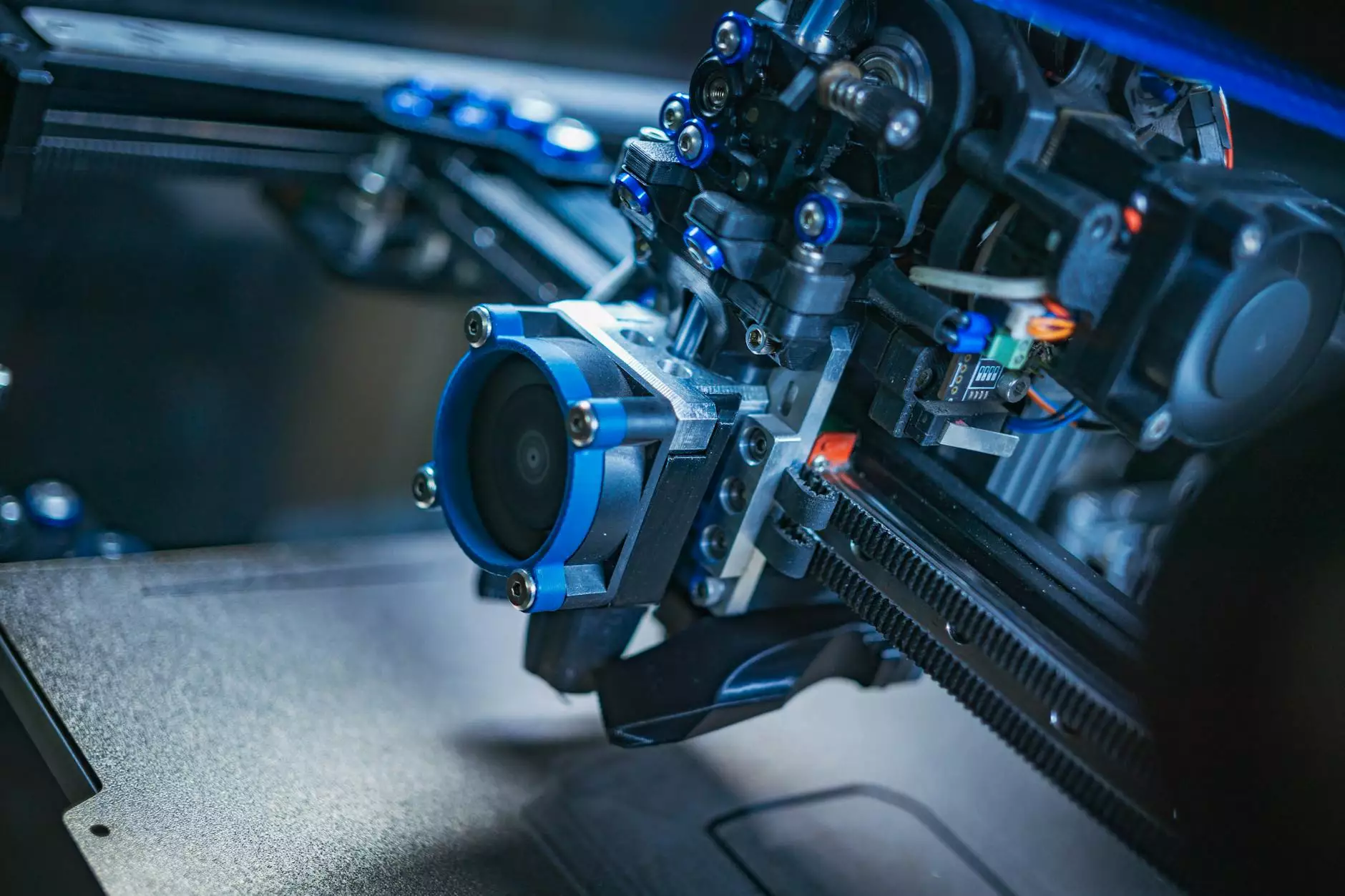
The 3D pen business operates at the intersection of cutting-edge technology and artistic innovation. Essentially, 3D pens are handheld devices that extrude thermoplastic filament, enabling users to create three-dimensional objects freehand or with precision. Unlike bulk 3D printers, these pens are portable, accessible, and highly versatile, making them ideal for small-scale artisanal work, educational projects, and prototype development.
From artisanal jewelry-making to complex prototypes in product design, the scope of 3D pen applications is vast. Retailers and entrepreneurs who recognize this potential are now establishing lucrative businesses centered around 3D pens, providing products, tutorials, and customized services. Websites like https://www.3dpen.com/ serve as a hub for resources, reviews, and innovations that fuel this thriving industry.
Why Invest in a 3D Pen Business? Key Benefits and Opportunities
- Low Startup Costs: Compared to traditional manufacturing or other tech startups, beginning a 3D pen-focused business requires minimal initial investment, primarily in product inventory, marketing, and educational resources.
- High Demand in Multiple Sectors: The market spans across arts & crafts stores, educational institutions, toy manufacturers, fashion designers, and even industrial prototyping sectors.
- Fostering Creativity and Innovation: By providing access to 3D pens, entrepreneurs enable countless creative outlets for hobbies, professional projects, and educational pursuits.
- Rapid Market Expansion: As 3D printing becomes more integrated into daily life, the demand for user-friendly, accessible tools like 3D pens is growing exponentially.
- Brand Differentiation: Positioning your shop or service as an expert in 3D pen arts offers a competitive edge in a crowded marketplace.
The Range of Products and Services in the 3D Pen Business
A successful 3D pen business offers a diverse portfolio of products and services that cater to different customer needs:
- 3D Pens for Beginners and Professionals: Varieties range from basic models for children and novices to advanced, feature-rich pens for artists and industrial designers.
- Replacement Filament Supplies: Different filament types (ABS, PLA, flexible, conductive) tailored for specific applications.
- Educational Kits and Workshops: Curriculum-focused kits and courses that introduce students to 3D art and design, fostering creativity and technical skills.
- Customized 3D Pen Art and Prototyping Services: Tailored artistic commissions, product prototypes, and craft workshops for businesses and individuals.
- Accessories and Complementary Tools: Stencils, templates, display stands, and storage solutions designed to enhance user experience.
Harnessing the Power of 3D Pen Technology in Arts & Crafts
The arts & crafts niche is arguably the most vibrant and accessible sector for 3D pen applications. Artists and hobbyists are using 3D pens to craft everything from intricate jewelry and sculptures to personalized home décor. The organic, freehand nature of 3D pens fosters spontaneous creativity, allowing artists to develop unique layers, textures, and designs with ease.
Moreover, 3D pens open avenues for innovative craft projects such as:
- Customized Art Installations: Creating large-scale sculptures or murals by building up layers of thermoplastic filament.
- Personalized Gifts: Unique, handcrafted items like keychains, ornaments, and custom figures.
- Mixed Media Composition: Combining traditional paints or materials with 3D-printed elements for compelling visual art.
- Fashion Accessories: Handmade jewelry, belt buckles, or decorative embellishments.
Transforming Education with 3D Pen Business Tools
One of the most significant impacts of 3D pen technology is in education. Schools and training centers are integrating 3D pens into their curriculum to stimulate STEM learning, foster creativity, and develop spatial skills among students. Entrepreneurs can tap into this educational market by providing kits, curricula, and after-school programs designed around 3D pens.
Advantages of leveraging the https://www.3dpen.com/ platform for educational initiatives include:
- Engaging hands-on activities that make learning fun and interactive.
- Enhanced understanding of scientific concepts like architecture, engineering, and physics.
- Encouraging entrepreneurial thinking among students by involving them in design and creation projects.
- Potential certification programs that add value to educational offerings.
Commercial Applications of 3D Pen Technology
Beyond arts and education, 3D pens are increasingly being employed in industrial design, product development, and even medical fields. Entrepreneurs can develop niche markets by offering tailored 3D pen services such as rapid prototyping or specialized artistic commissions.
Industries that benefit from 3D pen innovation include:
- Product Prototyping: Small-scale prototypes or concept models for startups and established companies.
- Fashion and Jewelry: Creating detailed and customized jewelry designs with minimal tooling costs.
- Medical and Dental Fields: Producing molds, surgical guides, or educational models.
- Architectural Design: Visualizing building concepts with textured 3D structures.
Launching and Growing a Successful 3D Pen Business
Building a profitable 3D pen enterprise involves strategic planning, high-quality product selection, and effective marketing. Here are essential steps for success:
1. Market Research and Niche Identification
Start by understanding current market demands, customer pain points, and emerging trends. Whether focusing on art supplies, educational kits, or industrial applications, identify a niche where you can excel and differentiate your brand.
2. Source Quality 3D Pen Products and Supplies
Partner with reputable manufacturers or consider creating your own line if you have the technical expertise. Ensure that your products meet safety standards, especially for educational and children's market segments.
3. Create Engaging Content and Educational Resources
Develop tutorials, demo videos, and project guides that showcase the versatility of 3D pens. Content marketing can drive traffic, establish authority, and convert visitors into loyal customers.
4. Invest in Branding and Online Presence
Build a professional website, optimize it for search engines, particularly targeting keyword phrases like "3D pen business," "arts & crafts with 3D pens," and "3D printing tools." Use captivating visuals and social proof to attract clientele.
5. Foster Community Engagement and Customer Support
Build a community of passionate creators through social media, forums, and workshops. Providing excellent customer support ensures repeat business and word-of-mouth referrals.
SEO Strategies for Outranking Competitors in the 3D Pen Niche
To successfully outrank other sites in Google, your content must be rich, targeted, and authoritative. Incorporate strategic keyword placements like "https://www.3dpen.com/" within your content, meta tags, and headings. Additionally, focus on creating comprehensive, detailed articles that address specific user questions and queries.
Content tips include:
- Using long-tail keywords related to 3D pens, arts & crafts, and business opportunities.
- Publishing detailed tutorials, case studies, and industry insights.
- Building backlinks from reputable craft, education, and technology websites.