Expert Insights on Pain After Root Canal Treatment: Causes, Management, and Professional Care
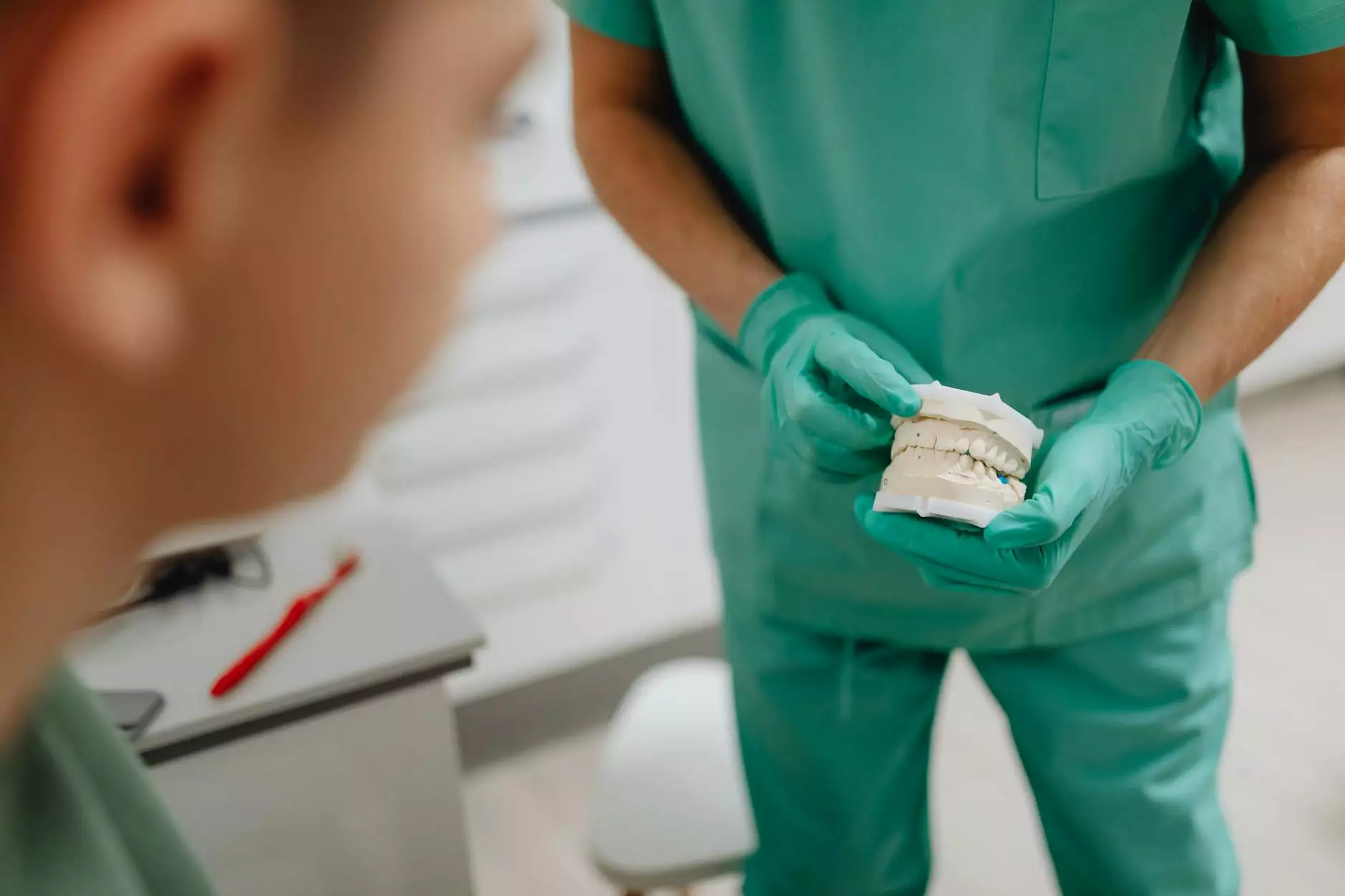
Root canal treatment is one of the most common and effective procedures performed by dentists and general dentists worldwide. It provides relief from severe tooth pain, removes infected pulp tissue, and restores oral health. However, many patients experience concern over potential post-procedure discomfort, often asking: Why do I experience pain after root canal treatment? Understanding the causes, managing expectations, and knowing when to seek professional help can significantly improve your recovery experience. This comprehensive guide will delve into everything you need to know about pain after root canal treatment, ensuring you’re well-informed and confident in your dental care journey.
Understanding Root Canal Treatment: What It Entails
Before exploring the causes of pain after root canal treatment, it’s crucial to understand what the procedure involves. Root canal therapy, also known as endodontic treatment, aims to remove infected or damaged pulp from inside the tooth. The process generally includes:
- Diagnosis: The dentist assesses the tooth with X-rays to confirm infection or decay.
- Anesthesia: Local anesthetic numbs the area to ensure comfort during the procedure.
- Pulp Removal: The infected pulp tissue is carefully removed from the root canal system.
- Cleaning and Shaping: The canals are thoroughly cleaned, disinfected, and shaped for filling.
- Filling and Sealing: The canals are filled with gutta-percha or similar material and sealed to prevent further infection.
- Restoration: A crown or other restoration is placed to restore tooth strength and function.
The goal of this procedure is to eliminate infection, relieve pain, and preserve the natural tooth.
Causes of Pain After Root Canal Treatment
While many patients experience significant relief post-procedure, some report persistent or new pain. Recognizing the causes of pain after root canal treatment is essential for effective management and timely intervention. Common reasons include:
1. Normal Post-Procedure Discomfort
It’s typical to experience mild to moderate discomfort, swelling, or sensitivity for a few days after the procedure. This residual pain is usually due to the body's natural healing process and the inflammation caused during treatment. Over-the-counter pain relievers, like ibuprofen, are often sufficient to manage this discomfort.
2. Incomplete Removal of Infection
If some infected tissue remains, it can lead to continued infection and pain. This may necessitate additional retreatment or access to the root canals for thorough cleaning.
3. Post-Treatment Inflammation or Trauma
The process of drilling into the tooth can cause trauma or inflammation in the surrounding tissues, leading to pain or swelling that typically resolves over time.
4. Lingering Pulp Tissue or Periapical Lesions
Sometimes, residual tissue or lesions at the root apex may cause ongoing discomfort. The healing of periapical tissues may take several weeks, during which some soreness may be observed.
5. Cracked or Fractured Tooth
A crack extending into the root can cause persistent pain, necessitating additional restorative procedures or even extraction in severe cases.
6. Developing or New Infection
In some cases, a new bacterial infection can develop, leading to pain, swelling, or abscess formation. This situation requires prompt evaluation and possible retreatment or surgical intervention.
Signs That Indicate a Need for Immediate Dental Attention
While some discomfort post-treatment is normal, certain symptoms signal potential complications requiring urgent care:
- Intense pain that persists beyond a few days and does not respond to analgesics
- Swelling or abscess formation near the treated tooth
- Fever or general malaise indicating systemic infection
- Unusual taste or foul odor indicating ongoing infection
- Loss of feeling or numbness around the treated area
If you experience any of these symptoms, contact your dentist immediately for professional evaluation and intervention.
Effective Management of Pain After Root Canal
Proper post-operative care plays a pivotal role in minimizing discomfort and promoting healing. Here are proven strategies to manage pain after root canal treatment effectively:
1. Use of Prescribed or Over-the-Counter Pain Medications
Following your dentist’s recommendations, taking medications such as ibuprofen, acetaminophen, or prescribed analgesics can alleviate pain and reduce inflammation.
2. Applying Cold Compresses
Applying a cold pack or ice wrapped in a towel to the outside of your cheek for 15-20 minutes can help diminish swelling and numb pain.
3. Maintaining Good Oral Hygiene
Gentle brushing and rinsing with warm salt water can prevent bacterial growth around the treated area and facilitate healing. Avoid vigorous rinsing that may disturb the healing tissue.
4. Eating Soft and Cool Foods
Consuming soft, cool, and non-acidic foods minimizes irritation to the sensitive areas and avoids unnecessary discomfort.
5. Avoiding Excessive Chewing
Refrain from chewing on the treated side until fully healed and restored with a permanent filling or crown.
Importance of Follow-Up Care and Restorations
Follow-up visits are critical to monitor healing, remove any residual infection, and ensure the success of the treatment. Once the root canal is completed, your dentist may recommend:
- Placement of a dental crown to restore tooth strength and prevent fractures
- Regular dental check-ups to detect any early signs of complications
- X-ray examinations to evaluate healing progress
Adhering to these guidelines can significantly reduce the likelihood of persistent pain and ensure the long-term health of your tooth.
Preventing Pain After Root Canal Treatment: Tips for Success
Preventative measures are as important as treatment itself. Here are some practical tips:
- Accurately diagnose and plan the treatment with your dentist to minimize tissue trauma.
- Follow all post-treatment instructions carefully — including medication schedules and dietary restrictions.
- Attend scheduled follow-up appointments for professional assessment.
- Maintain excellent oral hygiene to prevent reinfection.
- Report any unusual symptoms promptly to your dental provider.
Choosing the Right Dental Clinic for Quality Root Canal Treatment
Quality dental care from experienced professionals is vital to reduce the risk of pain after root canal treatment and complications. ElseniYusufoglu.com.tr specializes in comprehensive dental services, including general dentistry and specialized dentists trained to handle complex endodontic cases with precision and care. Our clinic emphasizes:
- Advanced diagnostic tools for accurate assessments
- Gentle and effective procedures enhancing patient comfort
- Customized aftercare plans for optimal healing
- Patient education to foster confidence and understanding
Conclusion: Empowering Patients for Pain-Free Recovery
While some discomfort can be expected after root canal treatment, understanding the causes of pain after root canal treatment, along with proper management and professional care, can make your recovery smoother and more comfortable. Remember, persistent or severe pain warrants prompt consultation with your dentist to address any underlying issues effectively. Trust ElseniYusufoglu.com.tr for expert dental services that prioritize your comfort, health, and smile wellbeing. Your dental health is an investment — and with the right care, you can enjoy a pain-free, healthy mouth for years to come.


