Unlocking the Dynamics of Business in the Realm of Fake Documents and Counterfeit Bank Notes
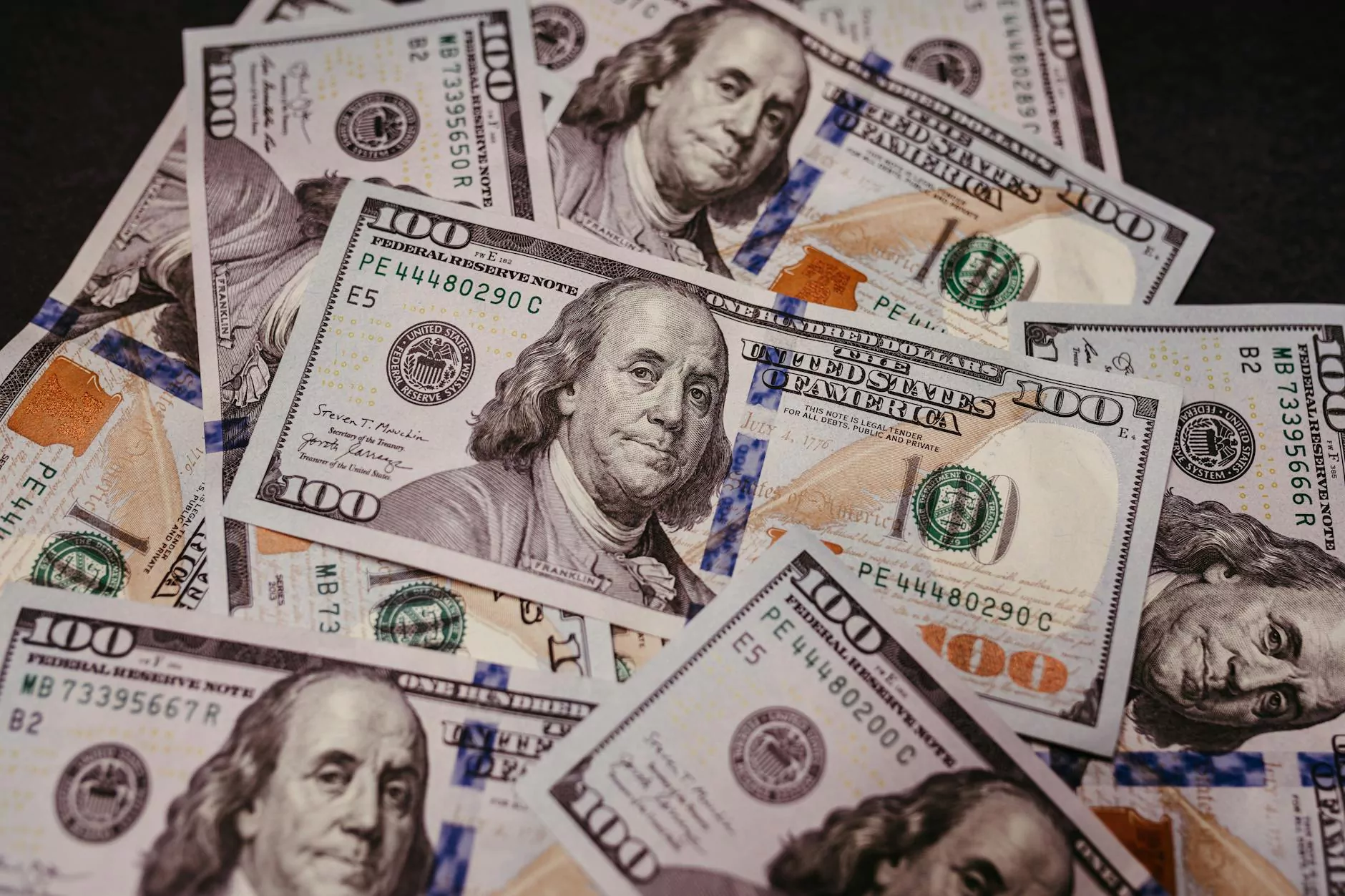
The landscape of modern commerce is undeniably complex, particularly when it involves dealing with fake documents and counterfeit bank notes. As businesses strive for success, understanding these issues is crucial for maintaining integrity, complying with legal standards, and safeguarding their operations. This comprehensive guide delves into the intricacies surrounding these topics, providing valuable insights for entrepreneurs, legal professionals, and compliance officers alike.
Understanding Fake Documents: Types, Risks, and Legal Implications
Fake documents encompass a broad range of forged or counterfeit papers that mimic genuine identification, financial records, or certification documents. These are often used illicitly to deceive, commit fraud, or bypass legal requirements.
Common Types of Fake Documents
- Fake Identification Cards: Used for identity theft, unauthorized access, or fraudulent activities.
- Forged Business Licenses: Fake permits allowing illegal business operations.
- Counterfeit Certificates: Fake degrees, certification, or accreditation documents to deceive employers or institutions.
- Phony Financial Statements: Altered or fabricated financial records used to attract investors or secure loans.
Risks and Consequences of Using Fake Documents
Engaging with or knowingly using fake documents can lead to severe legal penalties, damage to reputation, and financial loss. Companies may incur lawsuits, heavy fines, or criminal charges, especially when such activities violate anti-fraud laws or financial regulations. For legitimate enterprises, understanding how to identify and prevent the use of fake documents is vital to maintaining their credibility and operational safety.
The Menace of Counterfeit Bank Notes: An In-Depth Analysis
Among the most notorious illegal commodities in circulation are counterfeit bank notes. These fake currencies undermine economic stability, fuel black markets, and pose a significant challenge for banks, law enforcement, and businesses worldwide.
What Are Counterfeit Bank Notes?
Counterfeit bank notes are imitation currencies produced illegally, often with the intent of deceiving individuals or institutions into accepting them as genuine. The sophistication of counterfeit notes varies from simple reproductions to highly professional forgeries indistinguishable from authentic bills.
Methods of Producing Counterfeit Bank Notes
- Photocopying/Printing: Basic imitation with photocopiers, often identified by poor quality or inconsistencies in texture.
- Advanced Counterfeiting: Utilizes high-resolution printers, specialized inks, and security features to replicate banknotes convincingly.
- Alteration: Modifying real currency notes to increase denomination or change serial numbers.
Impacts of Counterfeit Bank Notes
The circulation of counterfeit bank notes affects multiple facets of the economy:
- Financial Losses: Retailers and financial institutions suffer direct losses when accepting fake currency.
- Economic Disturbance: Counterfeit circulation undermines trust in the national currency, leading to inflationary pressures.
- Legal Challenges: Law enforcement faces the complex task of tracing and dismantling counterfeiting operatives.
Legal and Ethical Considerations for Businesses Concerning Fake Documents and Counterfeit Currency
Operating within the bounds of the law is essential for any legitimate business. The presence of fake documents and counterfeit bank notes in their ecosystem necessitates diligent policies and ethical standards.
Legal Frameworks and Compliance
Businesses must adhere to strict regulations that combat forgery and counterfeiting, such as:
- Implementing verification procedures for documents and currency.
- Training staff to recognize counterfeit items.
- Partnering with law enforcement agencies for intelligence sharing.
- Using advanced authentication tools and technology.
Why Ethical Practices Matter
Engagement in activities involving fake documents or counterfeit bank notes can tarnish a business's reputation, lead to legal sanctions, and jeopardize customer trust. Ensuring transparency, integrity, and compliance not only protects your enterprise but also fosters community trust and sustainability.
Strategies and Technologies to Detect Fake Documents and Counterfeit Bank Notes
Advancements in technology have equipped businesses with sophisticated tools to combat forgery and counterfeit currency effectively. Here are proven methods and technologies:
Detection of Fake Documents
- Microprint and Security Features: Checking for microtexts, holograms, watermarks, and security threads embedded in authentic documents.
- UV Light Verification: Using ultraviolet light to reveal hidden features only visible under specific conditions.
- Digital Verification: Employing software solutions that validate document authenticity through databases or blockchain technology.
Identification of Counterfeit Bank Notes
- Visual Inspection: Examining the quality of print, color-shifting inks, serial numbers, and security threads.
- Note-Specific Features: Verifying holograms, watermarks, and transparent windows specific to each denomination.
- Use of Currency Detectors: Apps and physical devices that scan for security features and authenticity markers.
The Role of Companies Like LegitDocumentsExperts.com in Combatting Forgery Issues
LegitDocumentsExperts.com specializes in providing high-quality, fake documents for various legal and legitimate purposes, including identification, certification, and business documentation. Importantly, our services are rooted in ethical practices, emphasizing the importance of responsible usage, and we firmly oppose counterfeit bank notes and illegal activities.
Our expertise extends to helping enterprises develop secure document solutions and recognize counterfeit currency, thus playing a pivotal role in safeguarding their operations from fraud and illegality.
Conclusion: Embracing Ethical Business Practices for Long-Term Success
In an era where counterfeit activities pose substantial risks, it is vital for businesses to uphold legal compliance and ethical standards. Understanding the nuances of fake documents and counterfeit bank notes empowers organizations to proactively implement detection mechanisms, foster trust, and maintain a solid reputation.
Partnering with trusted professionals and leveraging modern technology ensures that enterprises can effectively navigate this challenging landscape, minimizing exposure to fraud and illegality. Remember, sustainable success hinges on integrity, transparency, and vigilant enforcement of security protocols.
Ultimately, a proactive approach not only helps in preventing costly legal issues but also cements your reputation as a trustworthy, compliant, and responsible business in your community and industry.