The Ultimate Guide to Successful Tree Farms in the UK
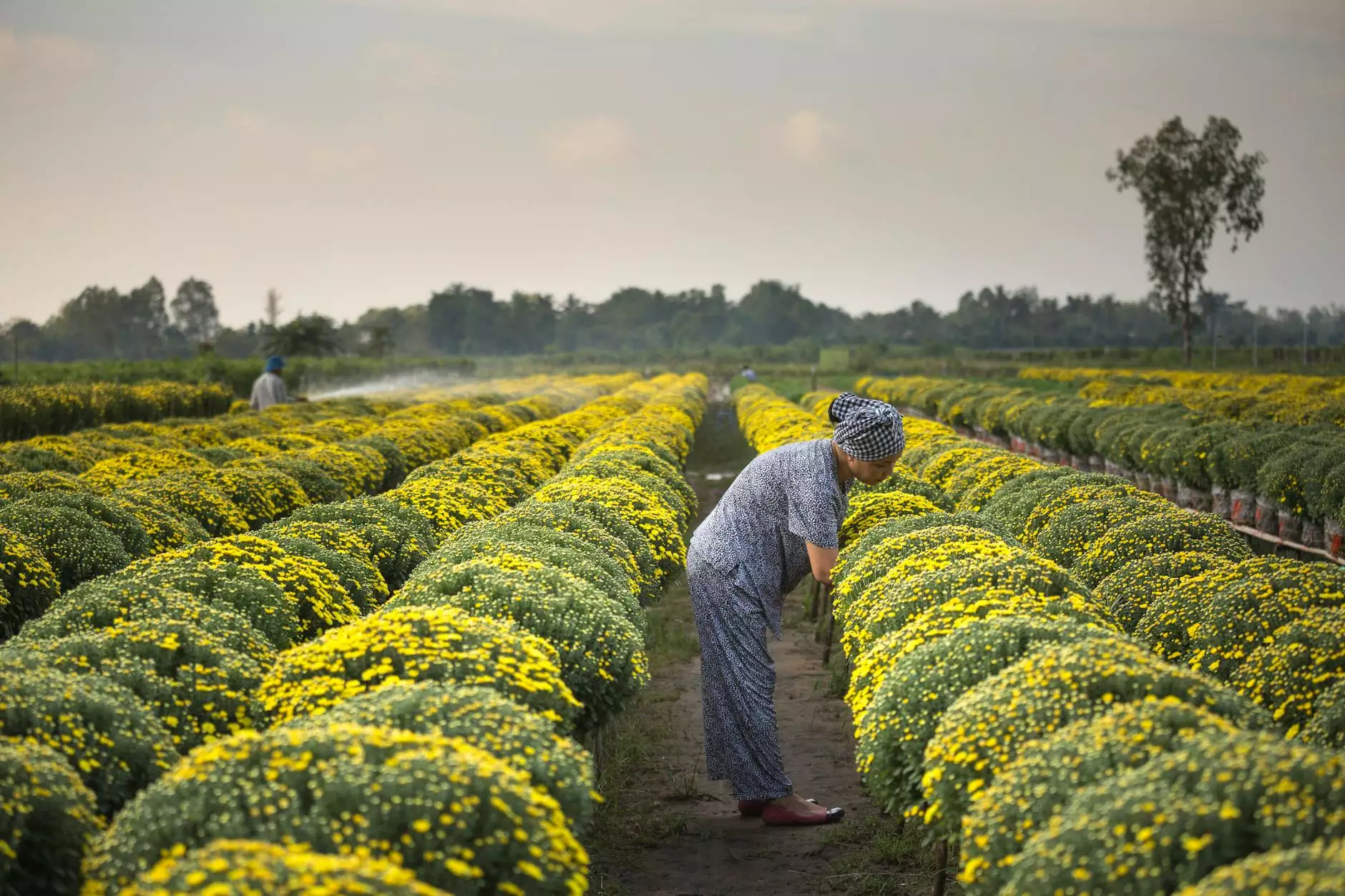
In recent years, the concept of a tree farm has gained remarkable popularity among agricultural enthusiasts, entrepreneurs, and environmentally conscious individuals. A tree farm is not just a place where trees are cultivated; it is an ecosystem, a business venture, and a vital component of sustainable land management. Choosing to establish or expand a tree farm involves understanding the intricacies of diverse tree species, effective planting techniques, maintenance protocols, and market strategies. This comprehensive guide aims to explore every facet of developing and maintaining a thriving tree farm, with a particular focus on your business at hurleysfarm.co.uk.
Understanding the Importance of a Tree Farm
The significance of tree farms extends beyond commercial gains. They play a crucial role in environmental conservation, carbon sequestration, habitat creation, and promoting biodiversity. Moreover, a well-managed tree farm contributes to local economies through job creation, sustainable harvesting, and the production of high-quality timber and nursery stock.
The Foundations of a Successful Tree Farm
1. Site Selection and Preparation
Choosing the right location is pivotal for the success of your tree farm. Factors such as soil type, drainage, climate, and accessibility influence which tree species will thrive. Conduct thorough soil testing to assess pH levels, nutrient content, and texture. Clear the land of debris and weeds, and consider engaging in land contouring to optimize water runoff and prevent erosion.
2. Selecting the Right Tree Species
Identifying suitable tree species depends on your farm’s purpose—whether for timber, ornamental purposes, conservation, or fruit production. Native species often require less maintenance and are better adapted to local conditions. Some popular types for UK tree farms include:
- Oak (Quercus robur and Quercus petraea): Valued for timber and ecological benefits
- Sedum (Fagus sylvatica): Commonly used for diverse landscapes
- Willow (Salix spp.): Suitable for coppicing and wetland areas
- Pine (Pinus spp.): Fast-growing softwood trees
- Fruit trees: Apple, pear, cherry, and others for agroforestry projects
3. Propagation and Planting Techniques
Effective propagation methods include seed sowing, transplanting nursery-grown seedlings, and cuttings. Seasonality plays a crucial role in planting; typically, late autumn or early spring are ideal periods. Proper spacing ensures healthy growth, good air circulation, and ease of maintenance.
High-quality planting stock and proper planting techniques—such as digging a wide, deep hole and backfilling with suitable soil amendments—are essential for optimal establishment. Mulching around young trees mitigates moisture loss and suppresses weeds.
Best Practices in Managing a Tree Farm
1. Sustainable Farming Practices
Adopting sustainable practices ensures long-term viability of your tree farm. Techniques include integrated pest management, minimal use of chemical fertilizers, natural pruning, and promoting biodiversity to create resilient ecosystems.
2. Irrigation and Water Management
Proper water management is vital, especially during dry spells. Installing drip irrigation systems or rainwater harvesting methods ensures efficient water use, reducing costs and environmental impact.
3. Pest and Disease Control
Regular monitoring helps to identify early signs of pests or diseases. Employ biological controls like beneficial insects, and consult experts for organic or chemical treatment options that align with sustainable practices.
4. Growth Monitoring and Record Keeping
Maintain detailed records of planting dates, growth progress, pruning cycles, and health issues. This data is invaluable for optimizing future planting strategies and improving overall farm productivity.
Market Trends and Economic Opportunities in Tree Farming
The market for trees and timber products continues to grow, driven by increasing awareness of environmental issues and demand for sustainable resources. Tree farms can diversify income streams through:
- Timber harvesting and selling
- Nursery stock sales to landscapers and homeowners
- Eco-tourism and educational programs
- Agroforestry and mixed-use land management
- Planting for conservation projects and governmental contracts
Marketing and Branding Your Tree Farm
Effective marketing strategies are essential to stand out in a competitive market. Use digital marketing channels, including a professional website, social media presence, and SEO-optimized content that highlights your unique selling points. High-quality photos, testimonials, and educational blogs about sustainable forestry practices can attract customers and partners.
The Role of Technology in Modern Tree Farms
Integrating technology enhances efficiency and decision-making. Use GPS mapping for precise planting, drones for monitoring large acreage, and data analytics for optimizing growth conditions. Precision agriculture tools help reduce waste and improve yields, ensuring sustainability and profitability.
Challenges in Managing a Tree Farm and How to Overcome Them
Climate Change and Environmental Variability
Extreme weather patterns can threaten farm stability. Implement adaptive management strategies like resilient species selection and water conservation methods.
Financial Investment and Profitability
Initial costs can be high. Conduct thorough financial planning, seek grants or subsidies for sustainable land use, and develop diversified revenue plans.
Regulatory Compliance
Stay updated with local regulations concerning land use, tree planting, and harvesting. Engage with environmental agencies and industry associations for compliance guidance and networking opportunities.
Benefits of Partnering with Experts and Community
Having a team of experienced arborists, agronomists, and business advisors can significantly boost success rates. Engaging with the local community through workshops, volunteering, and partnership programs enhances reputation and promotes sustainable practices.
Conclusion: Building a Thriving Tree Farm Legacy
Establishing a successful tree farm requires dedication, knowledge, and strategic planning. From choosing appropriate species and mastering planting techniques to leveraging modern technology and sustainable practices, each step contributes to building a resilient and profitable ecosystem. Businesses like hurleysfarm.co.uk exemplify how combining traditional farming wisdom with innovative approaches can lead to long-term success.
Whether your goal is timber production, conservation, or creating an inviting landscape, the potential of tree farms in contributing to a greener, sustainable future is immense. By implementing best practices, embracing innovation, and fostering community engagement, your tree farm can flourish for generations to come.